


Wordament® by Microsoft
4.25.77K Reviews
App Specs
- Version
- 4.5.8051
- Updated On
- License
- Free
- Downloads
- 1,000,000+
- Developer
- Microsoft Corporation
- Categories
- Word
- Platform
- Android
Screenshots
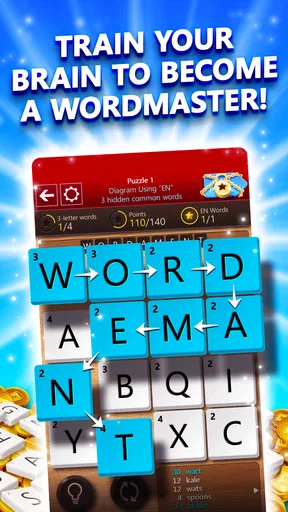
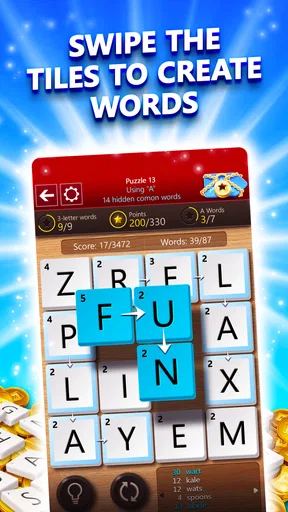
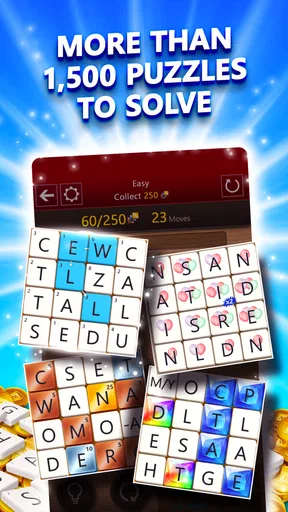

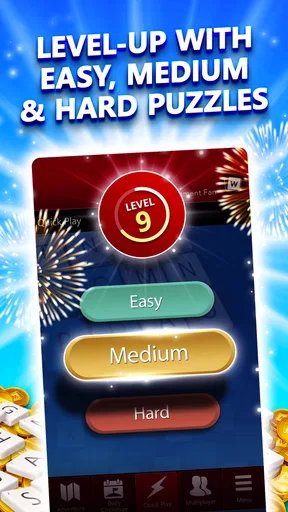
 Analysis by AppCompare
I’d recommend starting Wordament® when you have a few quiet minutes and want something more active than scrolling but less involved than a long game. It’s a word game from Microsoft Corporation built around spotting words in a letter grid. The basic idea is easy to grasp; the real test is learning to scan efficiently without overlooking obvious paths. I found that the first satisfying moment comes quickly: you spot a word, trace it with your finger, and immediately start looking for another.
Diving Into the World of Wordament®
First things first, let’s talk about what Wordament® is all about. It’s essentially a word puzzle game where you swipe through a grid of letters to form words. Sounds simple, right? But trust me, it’s way more addictive than it appears.
When you kick off the game, you’re greeted with a straightforward interface. I appreciate how clean and user-friendly it is. You’re not bombarded with ads, which is a huge plus for me. You can jump right into the action without any fuss.
What to Expect From a Word Round
The pleasure of this game is in the gap between knowing what to do and doing it quickly. You scan the board, follow connected letters to make a word, then return to the grid to find another. I wouldn’t expect a slow crossword-style session: the appeal is quick visual searching and a steady stream of small decisions. If you enjoy word searches but want the extra challenge of building words from adjacent letters, this is a natural fit.
It’s also a useful choice for short breaks because the basic play doesn’t ask you to study a complicated rulebook first. I’d open it while waiting for a coffee or sitting on a train, rather than plan an evening around it. The game is free to download, rated Everyone, and has in-app purchases priced from $1.99 to $9.99 per item. That makes it easy to try, while still worth keeping an eye on purchase prompts if you prefer to keep mobile games strictly free.
Getting Started Without Overthinking It
Wordament is a game by Microsoft, and its listing shows a 4.2 average from around 80,000 ratings, with more than a million installs. Those figures suggest a well-established audience, but they don’t tell you whether its pace suits you. I’d treat the first session as a chance to learn the feel of the letter grid, not as a test of your vocabulary or speed.
Before playing competitively, take a moment to understand how your finger moves across neighboring letters. A common beginner mistake is to search for a long, impressive word while missing several short ones. I get better results by checking the board in passes: first look for familiar short words, then scan for common endings and prefixes, and only then spend time tracing less obvious combinations. This gives me a simple routine instead of repeatedly staring at the whole grid.
Worth Reading Before You Choose

EA SPORTS FC Mobile 26 Is a Bigger Football Game, but It Takes Time

Flipboard Shows What News Apps Must Do Beyond the Feed

Switching to Android Auto Means Rethinking Your Driving Routine

Google Calendar Makes a Crowded Week Easier to Manage

Ludo King Makes the Most of the Minutes Between Plans

Baby Panda World Brings Quick Play to Modern Phones, but Its Game Library Feels Busy
If you’re new to word games, don’t worry about being quick on the first attempt. Recognizing a possible word and successfully tracing its letter path are separate skills. When a word seems to disappear as you move, slow down and follow the sequence deliberately. A brief pause to reorient yourself is often more helpful than swiping faster.
Gameplay That Keeps You Hooked
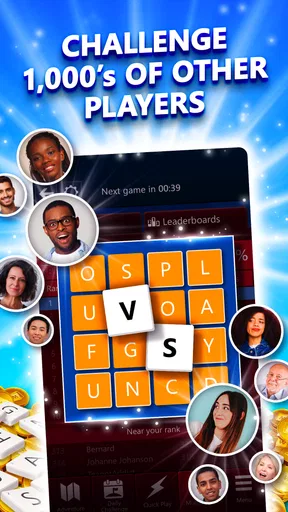
The main attraction here is the multiplayer mode. You’re competing against players from all around the globe in real-time. It’s a rush to see who can rack up the most points within a limited time. I found myself getting a bit competitive, trying to climb up the leaderboards.
That competitive pressure changes how I approach the same grid. When I play alone, I can take my time and enjoy finding an unusual word. In a match, I’m more likely to collect words I can spot confidently rather than risk losing time on a tricky path. My practical tip is to favor a reliable sweep over a perfect search: clear the easy finds first, then use any remaining time to explore the harder letter combinations.
What’s really cool is the variety of languages you can play in. Whether you’re brushing up on your French or trying out Spanish, Wordament® has got you covered. It’s like a fun way to learn a new language, or at least some new vocabulary.
I’d treat that language choice as light practice rather than a structured lesson. A word grid can help you notice familiar spellings and recall vocabulary, but it won’t explain grammar or teach pronunciation. If you’re learning a language, it works best as a small supplement after a lesson or during a spare moment—not as a replacement for a course, reading practice, or conversation.
Making the First Session Feel Like a Win
For a first meaningful success, I’d set a modest goal: find a handful of words you recognize, then make a second pass across the grid looking for ones you missed. That’s more satisfying than judging yourself against other players straight away. It also teaches you where your eyes tend to skip letters. I often find that changing the direction of my scan reveals options that weren’t apparent when I kept starting from the same corner.
In an everyday scenario, imagine you have a short wait before an appointment. A quick round gives you a focused task that can be put down when your name is called. If you have a little more time, a solo session makes sense when you want to concentrate without the added pressure of a live contest. I’d choose multiplayer when I’m alert and in the mood to compare my search speed with other people, not when I’m distracted or dealing with an unreliable connection.
The game was released on October 4, 2013, and its current version is 4.4.10061. It requires Android 7.0 or later. Those details are useful when deciding whether an older device can run it, but the more important question for a new player is whether the game’s quick visual pace feels enjoyable. If your device meets the requirement, the simplest way to find out is to try a short session before deciding whether to make it a regular habit.
Features That Stand Out
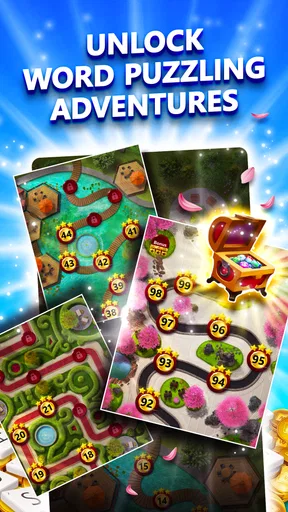
One of my favorite features is the daily challenges. They’re a great way to test your skills and earn some extra rewards. Plus, they keep things fresh, so you’re not just doing the same thing every day.
A useful way to approach a daily challenge is to treat it as a low-pressure routine rather than a task you must complete perfectly. I like having a specific reason to open a word game, but I wouldn’t let a missed day turn it into homework. If you’re using the game to build consistency, a brief session when you already have a natural pause in your day is more sustainable than trying to squeeze in a round at an inconvenient time.
There’s also a solo play option if you’re not in the mood for competition. It’s a relaxing way to unwind and still get your word game fix.
Solo play is particularly useful for learning the board-search habit at your own pace. I’d use it to test a different scanning method, such as starting with one area and moving systematically across the grid, rather than bouncing randomly between letters. Then, when you return to a competitive round, you have a plan ready. That small change can make play feel less frantic without requiring any special expertise.
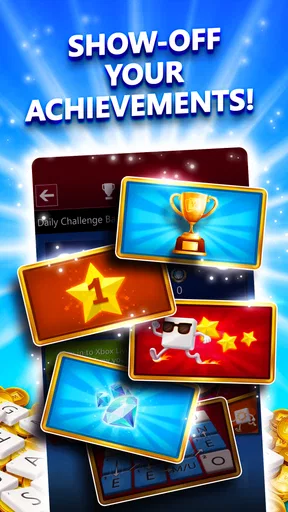
And let’s not forget the detailed stats. I’m a bit of a data nerd, so I love being able to see how I’m improving over time. The app tracks everything from your best words to your longest streaks. It’s surprisingly motivating!
Those records are most useful when you compare your own sessions over time, not when you treat a single result as a verdict on your ability. If you want to improve, look for a pattern: are you finding plenty of short words but missing longer ones, or are you spending too much time on uncertain paths? A personal record can be a prompt to adjust your approach. I wouldn’t chase every statistic at once; choose one habit to work on and let the rest stay in the background.
How It Compares With Other Word Games
Compared with a crossword, Wordament asks for quick recognition rather than clues, general knowledge, or a long chain of deductions. Compared with a conventional word-search puzzle, you’re not simply locating fixed words in straight lines; you’re forming words from connected letters. That makes it a better match for someone who enjoys visual scanning and spontaneous vocabulary recall. If you prefer thoughtful clue-solving with time to pause, a crossword is likely the more comfortable choice.
It also differs from a spelling or vocabulary app that teaches a planned sequence of lessons. Wordament gives you a playful way to exercise words you already know and encounter unfamiliar combinations, but I wouldn’t rely on it to explain why a word is correct or how to use it. For a casual language-learning break, that looseness is part of the appeal. For exam preparation or systematic study, a dedicated learning tool is more suitable.
Against other fast word-grid games, its strongest draw is the mix of solo play, daily challenges, multiplayer competition, and personal stats described in the game. That combination gives me more than one reason to return, depending on my mood. The trade-off is that the competitive side can make a relaxing puzzle feel hurried. If you want a purely quiet pastime, staying with solo play is the sensible choice; if you want no time pressure at all, a traditional paper puzzle may suit you better.
Common Confusion and Small Frictions
While I’m a big fan of Wordament®, it’s not without its quirks. The game does require a stable internet connection for multiplayer, which can be a bummer if you’re on the go and your signal is spotty.
That distinction matters when choosing how to play: I’d save live competition for a reliable connection and use solo play when I want a calmer session. A weak signal can interrupt the part that depends on other players, so starting a competitive round on an uncertain commute may be frustrating. If you know you’ll be underground or in an area with patchy service, it’s better to avoid relying on multiplayer at that moment.
Also, if you’re not a fan of in-app purchases, you might find yourself tempted to buy coins or power-ups, especially if you’re eyeing the top of the leaderboards. But honestly, you can still have a blast without spending a dime.
I’d decide in advance whether you’re happy to spend anything, then treat any purchase prompt as optional rather than part of the basic word-finding experience. The price range can add up if you make repeated purchases, so a free-first approach is sensible: play without paying, see whether you enjoy the core loop, and only consider a purchase if you clearly understand what you’re buying. If you prefer games with no optional spending at all, this may not be your ideal choice.
Another point to keep in mind is that a strong vocabulary alone doesn’t guarantee a high result. You also need to spot paths on the grid and enter them accurately, so a player with quick visual scanning may outperform someone who knows more obscure words. I like that distinction because it makes the game a test of attention as well as language, but it can feel unfair if you expected a pure vocabulary quiz.
Who I’d Recommend It To
I’d point this game toward people who enjoy word searches, quick mental challenges, and friendly competition, especially anyone who likes a session that can fit into a small gap in the day. It also suits word-game fans who want the choice between playing alone and measuring their pace against others. The Everyone age rating makes it broadly accessible, though younger players may still need an adult’s guidance around optional in-app purchases.
I’d skip it if you dislike timed or competitive play, need a game that works reliably without an internet connection for every mode, or want a structured vocabulary course. It may also frustrate players who prefer to solve one clue carefully rather than scan a busy board for many possibilities. Those aren’t flaws for everyone; they’re simply reasons to choose a calmer puzzle, a crossword, or a dedicated learning app instead.
Final Thoughts
Overall, Wordament® is a fantastic blend of fun and challenge. It’s perfect for those quick breaks during the day or for winding down at night. The community is active, the gameplay is engaging, and the app itself runs smoothly.
My recommendation is to start with a solo round, learn a scanning rhythm, and move into multiplayer once you’re comfortable tracing words on the grid. That route lets you enjoy the game without making your first experience about rankings. If you find yourself returning for the daily challenge or checking how your results change, the combination of quick play and personal progress may keep it in your rotation.
If you haven’t tried it yet, I’d recommend giving it a shot. You might just find yourself hooked, eagerly waiting for the next challenge to roll around. Happy word hunting!
Pros
- Engaging multiplayer experience.
- Daily challenges keep it fresh.
- Smooth and intuitive interface.
- Syncs progress across devices.
- Wide variety of languages available.
Cons
- Requires constant internet connection.
- Ads can be intrusive at times.
- Limited offline features.
- Some puzzles can be repetitive.
- Occasional connectivity issues.
FAQs for Wordament® by Microsoft
What is Wordament® and how does it work?
Wordament® is an engaging word puzzle game developed by Microsoft. It challenges players to find as many words as possible on a 4x4 grid of letters within a set time limit. Players compete in real-time with others globally, making it a competitive and fun experience.
Is Wordament® available for both Android and iOS devices?
Yes, Wordament® is available for download on both Android and iOS platforms. Users can easily find it on the Google Play Store and Apple App Store. This accessibility ensures that players across different devices can enjoy the game and compete with each other.
Does Wordament® require an internet connection to play?
Wordament® primarily requires an internet connection for its multiplayer mode, allowing players to compete against others globally. However, there are offline practice modes available, enabling users to enjoy the game without needing an active internet connection.
Are there any in-app purchases in Wordament®?
Wordament® is free to download and play, but it does offer in-app purchases. These purchases typically include additional features, hints, or cosmetic enhancements. While not necessary to enjoy the game, they can enhance the user experience for those interested in extra content.
How can I improve my performance in Wordament®?
Improving in Wordament® involves practice and strategy. Players should focus on recognizing common word patterns and prefixes. Additionally, using the practice mode can help refine skills without the pressure of competition. Familiarity with diverse vocabulary is also beneficial for success in the game.


